

Automated inspection systems are vital in the pharmaceutical industry to ensure that the products meet the required standards and are safe for use. The following are the specifications of automated inspection systems for the pharmaceutical industry:
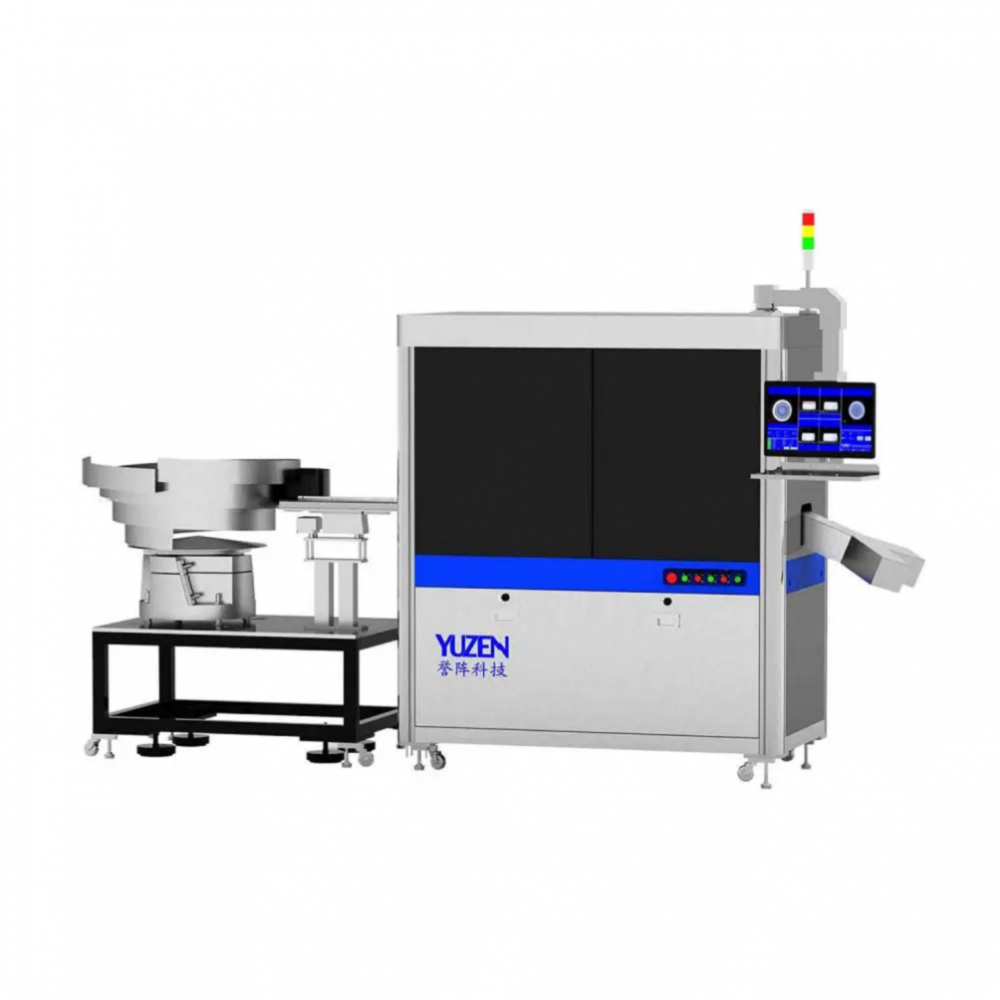
2. Speed: The system should be fast enough to inspect a large number of products within a short time frame. This will help to increase productivity and reduce the time required for inspection.
3. Reliability: The system should be reliable and consistent in detecting defects and abnormalities. This will help to ensure that all products are inspected thoroughly and that no defective products are released into the market.
4. Non-destructive: The inspection system should be non-destructive, meaning that it should not damage or alter the products in any way during the inspection process.
5. User-friendly: The system should be easy to use and operate, with a user-friendly interface that can be easily understood by operators.
6. Flexibility: The system should be flexible and adaptable to different products and production lines. This will enable it to be used across different product types and manufacturing processes.
7. Compliance: The system should comply with all relevant regulations and standards in the pharmaceutical industry, including Good Manufacturing Practice (GMP) and the United States Pharmacopeia (USP).
8. Traceability: The system should be able to track and trace all inspected products, including any defects or abnormalities detected during the inspection process.
9. Integration: The system should be able to integrate with other manufacturing and quality control systems to provide a seamless and efficient inspection process.
10. Data Analysis: The system should be able to collect and analyze data on the inspection process, including any defects or abnormalities detected. This will help to identify areas for improvement and optimize the inspection process.